Dissolving Filler: Why So Many People Are Reversing It in 2026
Dissolving filler means injecting hyaluronidase, an enzyme that breaks down hyaluronic-acid filler within 24–48 hours. In 2026 people reverse filler because they feel overfilled, their lip filler migrated, or they simply want a natural reset. At Neoderma in Anaheim it is $350 per 1 mL, and we can dissolve selectively — keeping the areas you like.
Medically reviewed by Sal Nadkarni, DO · Last updated July 28, 2026
What is hyaluronidase and how does it work?
Hyaluronidase is an enzyme — your body already makes its own version of it — that breaks the bonds holding hyaluronic acid together. Injected into an area of HA filler, it does in a couple of days what your body would otherwise take months or years to do: it unzips the gel into fragments small enough to be reabsorbed and cleared naturally.
The appointment itself is short. We map the area, mark exactly where product sits and where it has drifted, and place small amounts of hyaluronidase precisely into the filler rather than flooding the whole region. Most people notice softening and shrinking within 24 to 48 hours. The final picture settles over about two weeks, which is also how long we ask you to wait before adding anything new.
Why are so many people dissolving filler now?
The aesthetic mood changed. The 2010s rewarded more — bigger lips, sharper cheeks, a face that read clearly on a phone screen. 2026 rewards restraint. Dissolving is not an anti-filler movement; it is a pro-refinement one. Most people who ask us to dissolve are not swearing off injectables. They want a cleaner starting point.
The reasons we hear, over and over, are remarkably consistent:
- Overfilled. Filler added a syringe at a time over several years quietly adds up until the face reads heavy or wide rather than lifted.
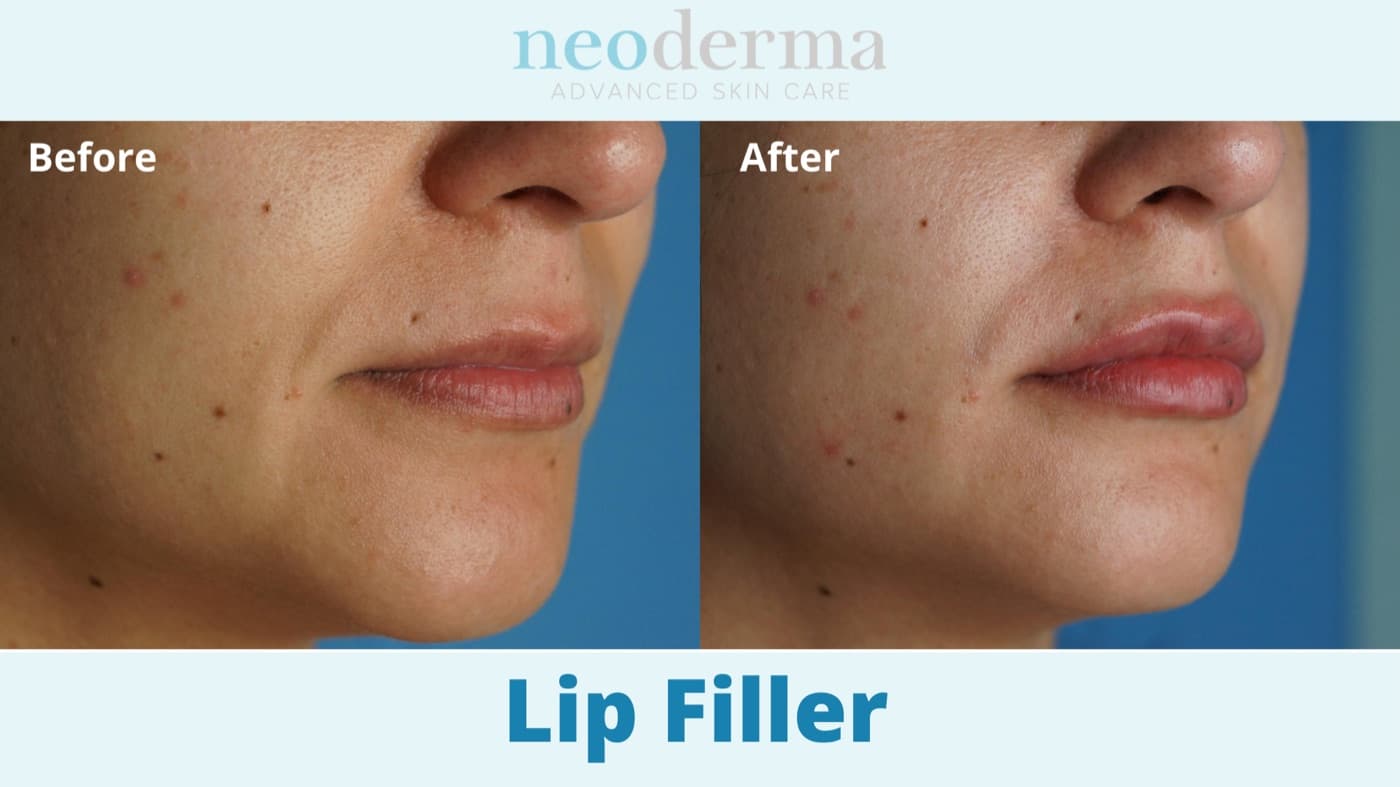
- Migration. Especially in lips, where product can creep above the lip border and blur the line between lip and skin — the look people describe as a shelf or a shadow.
- Asymmetry or lumps. One side sits higher, or a firm nodule never softened the way it was supposed to.
- A clean reset. Some people want to strip it all back, see their actual face again, and rebuild deliberately with a plan.
- Simply preferring their natural face. That is a completely valid reason, and nobody here will try to talk you out of it.
None of this means you were treated badly, and none of it means you made a mistake. Filler moves. Faces change. Trends change. Correcting work done elsewhere is one of our most requested appointments, and it is a normal, routine part of injectable care — not a confession.
There is also a reassuring point buried in all of this. The fact that HA filler can be reversed is exactly why it is the safe category. A treatment you can undo is a treatment you can try.
What can't be dissolved?
This is the part that surprises people, and it matters more than any other fact on this page. Hyaluronidase only dissolves hyaluronic-acid fillers — Juvéderm, RHA, Restylane and their relatives. The enzyme is specific to hyaluronic acid, so it has no effect on:
- Radiesse (calcium hydroxylapatite)
- Sculptra (poly-L-lactic acid)
- Permanent and silicone fillers
Those products are not reversible with an injection. They have to be managed differently, and if that is what you have, the honest conversation starts there rather than with a syringe of enzyme. If you are not sure what was used, bring whatever records or receipts you have — product names matter.
It is also the reason Neoderma injects only HA fillers. Every dermal filler we place is Juvéderm or RHA, which means every result we create is fully reversible. We also show you the sealed, brand-name syringe before we inject it, and we never split a syringe between visits or between patients — each patient gets a fresh, single-use, sealed syringe. That is a sterility standard, and in California it is also the law.
Can you dissolve just part of my filler?
Yes — and this is usually what people actually want. It is rare for someone to hate everything. Far more often there is one problem area: product that migrated above the vermilion border, a lump in one corner, one cheek carrying more volume than the other.
Because hyaluronidase can be placed precisely, we can dissolve selectively — targeting the migrated or excess product while preserving the structure you like. We plan it out loud with you first, with a mirror in your hand, so you know exactly what is going and what is staying before anything happens.
Does dissolving hurt, and what's recovery like?
The injections feel much like getting filler in the first place — a quick sting, more noticeable in lips than anywhere else, and over in a few minutes. Numbing makes a real difference and we use it.
Afterward, expect swelling for a day or two. It is genuinely common, and it can be disorienting: the area may briefly look bigger before it looks smaller. Bruising is possible. Then the filler softens and recedes over 24 to 48 hours, and the picture keeps settling for a couple of weeks.
One honest caveat we always give: hyaluronidase does not read labels. Along with the filler, it can temporarily take a little of your own natural hyaluronic acid, which is why the area can look flatter than you expected for a week or two. This is normal and it rebounds on its own. Judging your result on day three is the fastest way to panic unnecessarily. Wait the two weeks.
What does dissolving filler cost?
Dissolving at Neoderma is $350 per 1 mL of hyaluronidase. How much you need depends on how much product is in there and how many areas we are addressing, so the honest answer is that we quote you in person after we have looked and felt for where the filler actually sits.
For context on rebuilding afterward, our HA syringes run from $695 for Juvéderm Ultra XC and Ultra Plus XC, to $795 for Volbella XC, Vollure XC and all RHA fillers, $925 for Voluma XC and $950 for Volux XC. If your goal after dissolving is subtler lip definition rather than volume, a Botox lip flip is a flat $150 and adds no product at all — a good middle step for anyone who is filler-cautious right now.
Financing available through Cherry and CareCredit — split your treatment into flexible monthly payments. Learn more →
What happens after you dissolve?
Some people stop there, happily. Others use the reset as a starting line and rebuild with a plan — less product, better placed, spaced further apart. Either outcome is a success in our book, and we generally wait about two weeks before re-filling so we are working with a settled face rather than a swollen one.
It is also a good moment to remember that not every concern is a volume concern. Skin quality, laxity and texture often read as “aging” when more filler is not the fix. If crepiness or sagging is what is actually bothering you, RF microneedling or a proper medical-grade skin care plan will do more for you than another syringe. Browse concerns if you want to see how we match the problem to the tool.
However you got here — whether we placed the filler or someone else did — you will get a straight assessment, no lecture, and a plan you actually agree with. You can book a consultation or call us at +1-714-533-4777.
Dissolving filler FAQ
How long does it take for hyaluronidase to dissolve filler?
Most patients see the filler soften and shrink within 24 to 48 hours of the injection, with the final result settling over about two weeks. Swelling for a day or two is normal and can briefly make the area look larger before it looks smaller. We ask you to wait roughly two weeks before judging the outcome or re-filling.
How much does it cost to dissolve filler in Anaheim?
Dissolving is $350 per 1 mL of hyaluronidase at Neoderma. How much you need depends on how much filler is present and how many areas we are treating, so we quote you at your consultation rather than guessing over the phone. Financing through Cherry and CareCredit is available if you would rather spread the cost.
Can hyaluronidase dissolve all types of filler?
No. Hyaluronidase only breaks down hyaluronic-acid fillers such as Juvéderm, RHA, and Restylane. It does not dissolve Radiesse (calcium hydroxylapatite), Sculptra (poly-L-lactic acid), or permanent and silicone products, which have to be managed differently. Neoderma injects only HA fillers precisely because they are fully reversible, so anything we place can be undone.
Can you dissolve only part of my filler?
Yes, and it is what most people actually want. Hyaluronidase can be placed precisely, so we can target migrated product above the lip border or one overfilled area while leaving results you like alone. Selective dissolving is one of our most requested appointments, and we map out exactly what stays and what goes before we start.
Will dissolving filler leave my face saggy or deflated?
That fear is common but usually overblown. Hyaluronidase removes the filler and can temporarily take a little of your own natural hyaluronic acid with it, which is why the area can look flat for a week or two. Your own HA rebounds on its own, and most people are surprised by how normal they look.
Follow along
Follow us for weekly before-and-afters and specials
Fresh before-and-afters, treatment videos, giveaways, and first look at our monthly specials drop on Instagram and TikTok. Give us a follow so you never miss one.
@ocskinexperts on Instagram · @skinbyneoderma on TikTok
Related Treatments
Dermal Fillers (Juvéderm & RHA) →
HA-only, fully reversible filler — plus correction and dissolving of work done elsewhere.
Botox, Dysport & Daxxify →
Neuromodulators for lines and the $150 lip flip — definition without adding product.
Medical-Grade Skin Care →
When the concern is skin quality rather than volume: ZO, SkinBetter and Pavise regimens.