XERF vs. XTherma: Which Skin Tightening Should You Choose?
XERF and XTherma are two of the newest skin-tightening devices in aesthetics, and they are far more alike than the marketing on either side suggests. Both are monopolar radiofrequency, both run at the same frequency and power, and both spray cryogen to keep your skin cool while the heat works underneath. Here is what actually separates them — and why we chose XTherma for our Anaheim treatment room.
Medically reviewed by Sal Nadkarni, DO · Last updated August 21, 2026
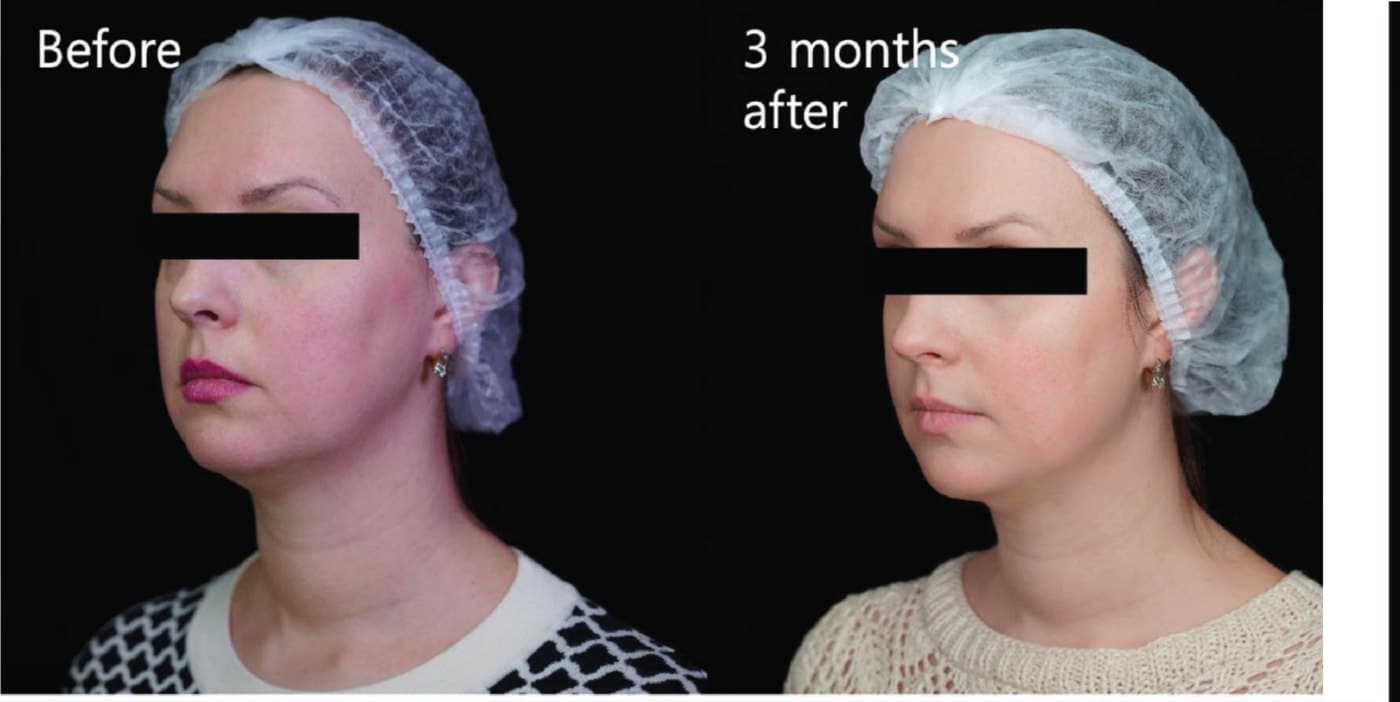
First, the part nobody tells you: they're nearly the same machine
When two devices launch into the same market within eighteen months of each other, the temptation is to believe one is a breakthrough and the other is a knock-off. That is not what is going on here.
Both XTherma and XERF are monopolar radiofrequency devices. Both operate at 6.78 MHz with up to 400 watts of power. Both pass current from a handpiece, through your tissue, to a return pad on your back — which is what lets the heat reach the depth where collagen actually lives. Both cool the surface of your skin with cryogen spray so the energy can go deep without burning what you can see. Both are used without numbing, because your ability to feel the heat is the safety mechanism.
XTherma vs. XERF at a glance
| XTherma | XERF | |
|---|---|---|
| What it is | Monopolar radiofrequency, 6.78 MHz, up to 400 W | Monopolar radiofrequency, 6.78 MHz + 2 MHz, up to 400 W |
| Surface cooling | Cryogen, 7 cooling pulses around every shot | Cryogen, adjustable in 3 levels |
| Numbing needed | No — sensation is the safety signal | No — trial reported 4.2/10 without anesthesia |
| Typical sessions | One | One to two, about four weeks apart |
| Downtime | None — redness for a few hours | None — mild transient redness and swelling |
| When you see it | Builds over about 2–3 months | Builds over about 1–3 months |
| FDA clearance | K232992 — electrocoagulation and hemostasis | K251327 — electrocoagulation and hemostasis |
| Cosmetic use | Off-label | Off-label |
| Published human studies | 13-patient pilot, 26-patient retrospective | 39-patient prospective, 16-patient retrospective |
| Typical price per session | $950 – $1,200 (from $895 at Neoderma) | $1,500 – $3,000 |
The four differences that actually matter to you
1. How many appointments you have to take off for
XTherma is built around a single session. That is what the manufacturer recommends, what its published pilot study used, and how national chains schedule it. XERF's published trial allowed up to three treatments; every participant finished after two, about four weeks apart.
One appointment versus two sounds like a small thing until you are the one arranging childcare, taking a long lunch, or driving in from Irvine a second time. For most of our patients, one visit that does the job is the practical advantage.
2. What it costs
This is the clearest gap between them. XTherma is roughly half the price. LaserAway — the only large chain publishing prices for both categories — lists XTherma at $950 to $1,200 per session. Clinics offering XERF generally publish from about $1,500 per session, with full face and neck commonly quoted between $1,500 and $3,000.
At Neoderma, founding-patient pricing is $895 for the full face and $995 for face and neck. For a treatment that is nearly identical in mechanism, that difference buys you a lot — a second area, an exosome add-on, or simply the ability to say yes at all.
Financing available through Cherry and CareCredit — split your treatment into flexible monthly payments. Learn more →
3. How the cooling is delivered
Both devices cool with cryogen, but they structure it differently. XTherma fires seven cooling pulses around every single shot — two before the energy, three alongside it, two after — with a thermal sensor that shuts the tip down automatically if it gets too hot. XERF uses cryogen cooling adjustable across three levels.
Both approaches work, and both let the treatment be done without numbing. What matters more than the specification is that whoever is holding the handpiece is asking you how it feels and adjusting. Which brings us to the honest part.
4. What's been published
We are going to tell you something most clinics would leave out. XERF currently has more published human data than XTherma — a prospective study of 39 patients and a retrospective review of 16, versus XTherma's 13-patient pilot and 26-patient retrospective, with a larger randomized trial registered but not yet reported.
If published trial size is the only thing you weigh, XERF is ahead today. What we would add is that both evidence bases are small, both devices are new, and neither has anything like the decades of literature behind older platforms. In a category this young, a few dozen patients either way is not the difference between working and not working.
The FDA claim you should be skeptical of
If a clinic tells you their radiofrequency device is “FDA-cleared for skin tightening” and the competing one isn't, check it. For these two devices, that statement is not accurate about either.
XTherma's clearance (K232992) and XERF's clearance (K251327) contain the identical wording: indicated for use in dermatologic and general surgical procedures for electrocoagulation and hemostasis. Neither one carries an FDA clearance for wrinkles, laxity, or skin tightening. Using either device cosmetically is an off-label use.
Off-label use is legal and routine — once a device is cleared, a physician may use it for another purpose when their judgment supports it. It does not mean experimental or unregulated. But it does mean the responsibility sits with the medical team rather than with a certificate, and you deserve to know that before you book. You can read our full explanation on the XTherma treatment page, and it is disclosed in the consent form you sign with us.
Why we chose XTherma
Given how similar the two machines are, our reasoning was less about specifications and more about what a patient actually gets.
One session, at roughly half the price. For a treatment delivering comparable results by a comparable mechanism, we would rather more people be able to afford it and be done in a single visit. Skin tightening that stays out of reach doesn't help anyone.
We tried it on ourselves first. Before XTherma touched a single patient, our own Melissa Moore, RN went under the handpiece. Her one-session results — focused on the nasolabial area — are on our treatment page, unretouched.
The operator matters more than the logo. This is the same conclusion we reached comparing Morpheus8 and Secret RF. Two devices in the same category, used well, land in the same place. What separates a good result from a disappointing one is whether your provider maps the treatment properly, builds heat in even passes instead of stacking energy in one spot, and stops when you say stop. We have been doing energy-based treatments in Anaheim since 2001.
And the honest caveat, one more time: if you want the device with the larger published trial behind it today, that is XERF, and we would rather you hear it from us than discover it later.
Is this the right treatment for you at all?
Either device suits the same person: mild to moderate laxity, good overall skin quality, stable weight, realistic expectations. In practice that is an early softening of the jawline, some crepiness in the neck, a lower face that has lost a little definition — the stage where you don't want surgery and injectables alone aren't the answer.
If you have significant sagging or a lot of loose skin, neither device is going to produce a facelift, and any clinic implying otherwise is setting you up for disappointment. We'll tell you that at your consultation. Sometimes the right answer is a combination — ONDA for the body, filler for lost volume, or a surgical referral.
XERF vs. XTherma FAQ
Are XERF and XTherma the same treatment?
They're the same category and remarkably close cousins. Both are monopolar radiofrequency devices that heat the deeper layers of your skin to trigger collagen remodeling, both run at 6.78 MHz with up to 400 watts of power, both spray cryogen to keep the skin surface cool while the heat works underneath, and both use a return pad on your back to complete the circuit. If you put the two treatment experiences side by side, most patients would struggle to tell them apart. The meaningful differences are in the details — how the cooling is delivered, how many sessions you need, what's published about each, and what you pay.
Is one of them FDA approved and the other not?
Neither is FDA approved — that term applies to drugs. Both are FDA-cleared devices, and here's the part most clinics don't mention: their clearances are word-for-word identical. XTherma (K232992) and XERF (K251327) are both cleared for use in dermatologic and general surgical procedures for electrocoagulation and hemostasis. Neither carries an FDA clearance for cosmetic skin tightening, so using either one to firm skin is an off-label use. That's legal and routine in aesthetic medicine, but if a clinic tells you their device is 'FDA-cleared for skin tightening' and the other isn't, that isn't accurate for either of these two.
How many sessions does each one take?
XTherma is designed around a single session — that's what its manufacturer recommends, what the published pilot study used, and how national chains schedule it. XERF's published human trial allowed up to three treatments but every participant finished after two, spaced about four weeks apart. In practice, that means XTherma is usually one appointment and XERF is usually one or two. For most people the single-session path is simpler to plan around and easier to budget.
Which one costs more?
XTherma is meaningfully less expensive. LaserAway, the largest chain publishing prices for both, lists XTherma at $950 to $1,200 per session. Published pricing for XERF from clinics offering it generally starts around $1,500 per session, with full face and neck often quoted between $1,500 and $3,000. At Neoderma our founding-patient pricing is $895 for the full face and $995 for face and neck. Prices vary by provider and by how much area is treated, so treat these as ranges rather than fixed quotes.
Does either treatment hurt?
Both are designed to be done without numbing, and the cryogen cooling is the reason. XERF's published trial reported an average pain score of 4.2 out of 10 with no anesthesia of any kind. XTherma's manufacturer describes the sensation as adequate and tolerable, with cooling and an optional vibration function used to reduce discomfort. Neither is painless, and both should be adjusted down the moment you say it's too much — at Neoderma we ask for a comfort score during every pass, and we treat a patient asking us to stop as a signal to lower the setting, not something to push through.
Which one has more research behind it?
XERF currently has more published human data — a prospective trial of 39 patients and a retrospective review of 16. XTherma has a 13-patient pilot study and a 26-patient retrospective study, with a larger randomized trial registered but not yet reported. We'd rather tell you that than pretend otherwise. Both evidence bases are small, both devices are new, and neither has the decades of literature behind older platforms like Thermage. If published trial size is your single deciding factor, XERF is ahead today.
Can I have XTherma if I've had Botox or filler?
Yes, but timing matters. Radiofrequency heat can affect recently placed product, so we wait about four weeks after botulinum toxin or dermal filler in the treatment area, and about three months after thread lifting. Many of our patients combine them deliberately — Botox softens dynamic wrinkles, filler restores volume, and XTherma works on skin quality and firmness. They address different problems. Your provider will sequence them at your consultation.
How do I know if I'm a candidate?
The best candidates have mild to moderate laxity — an early softening of the jawline, a bit of crepiness in the neck, lower-face heaviness — with good overall skin quality, stable weight, and realistic expectations. Published studies for both devices enrolled patients roughly 28 to 70 years old with mild-to-moderate wrinkling. If you have significant sagging or major skin redundancy, neither device is going to give you a facelift, and we'll tell you that at your consultation rather than sell you a treatment that can't deliver.
FDA clearance wording quoted from 510(k) K232992 (XTherma / 10THERMA, Tentech Inc.) and 510(k) K251327 (XERF, Lutronic Corporation). Pricing figures reflect published clinic and chain pricing as of August 2026 and vary by provider and treatment area. Published-study counts reflect peer-reviewed human studies available at the time of writing. Individual results vary; suitability is determined at consultation.
Follow along
Get more between posts — follow us
Fresh before-and-afters, treatment videos, giveaways, and first look at our monthly specials drop on Instagram and TikTok. Give us a follow so you never miss one.
@ocskinexperts on Instagram · @skinbyneoderma on TikTok
Related Treatments
XTherma Skin Tightening →
High-frequency RF with cryogen cooling on every pulse — collagen rebuilding for face, neck, and body.
ONDA Body Contouring →
Coolwaves microwave energy for fat, cellulite, and skin firming — the body counterpart to XTherma.
RF Microneedling →
Secret RF for texture, acne scars, and pore refinement — a different kind of radiofrequency.