Why Your Melasma Looks Darker in October, and the Fall-to-Spring Treatment Plan
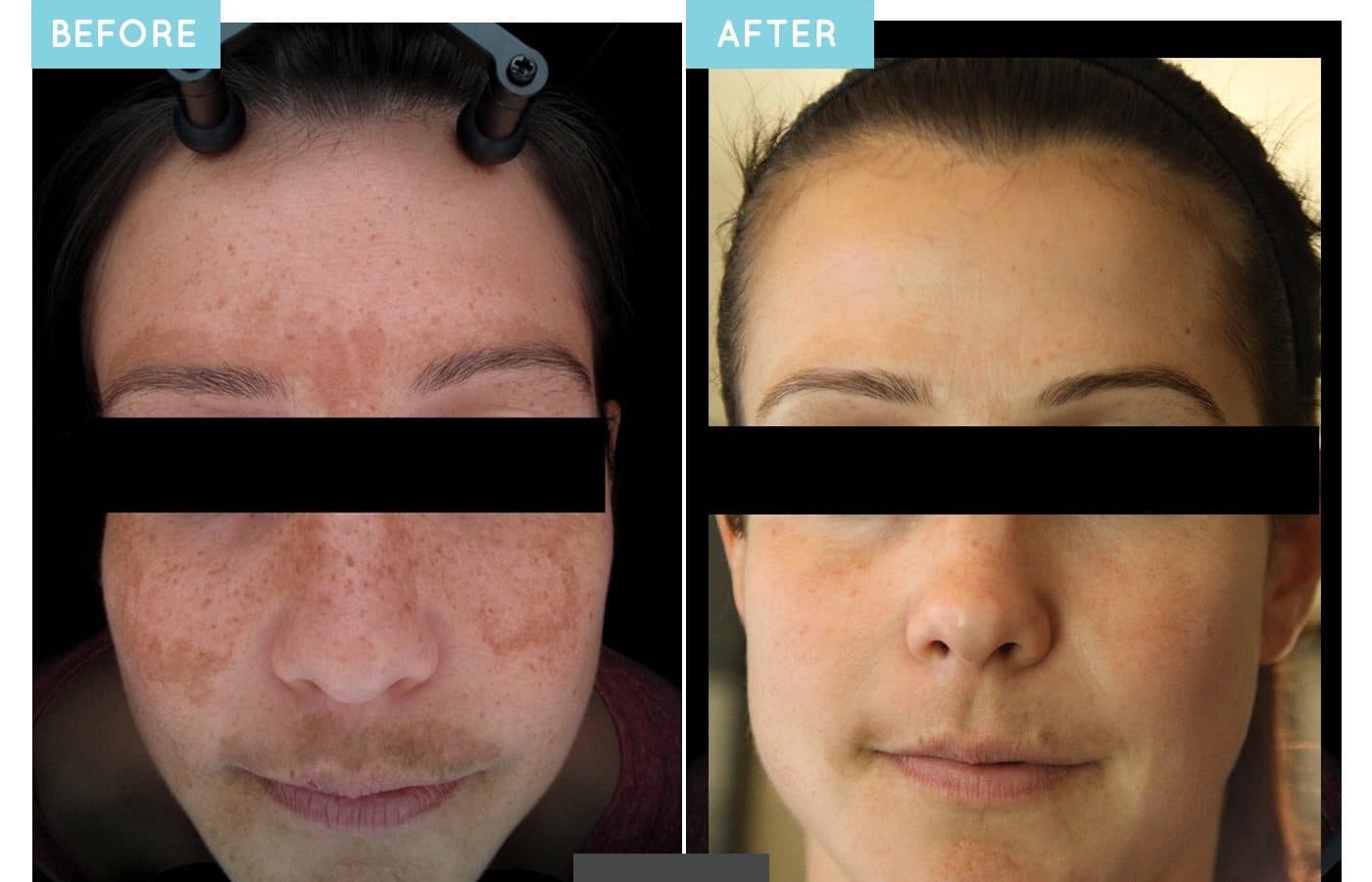
Melasma looks darker in October because a summer of sun and heat has pushed its overactive pigment cells into overdrive, and the patches stand out once the tan fades. Melasma is managed, not cured. At Neoderma in Anaheim the plan is a PicoWay Resolve series, $200 to $600 a session, with daily SPF and a pigment-regulating home regimen. Results vary.
Medically reviewed by Sal Nadkarni, DO · Last updated October 16, 2026
Why is my melasma getting darker?
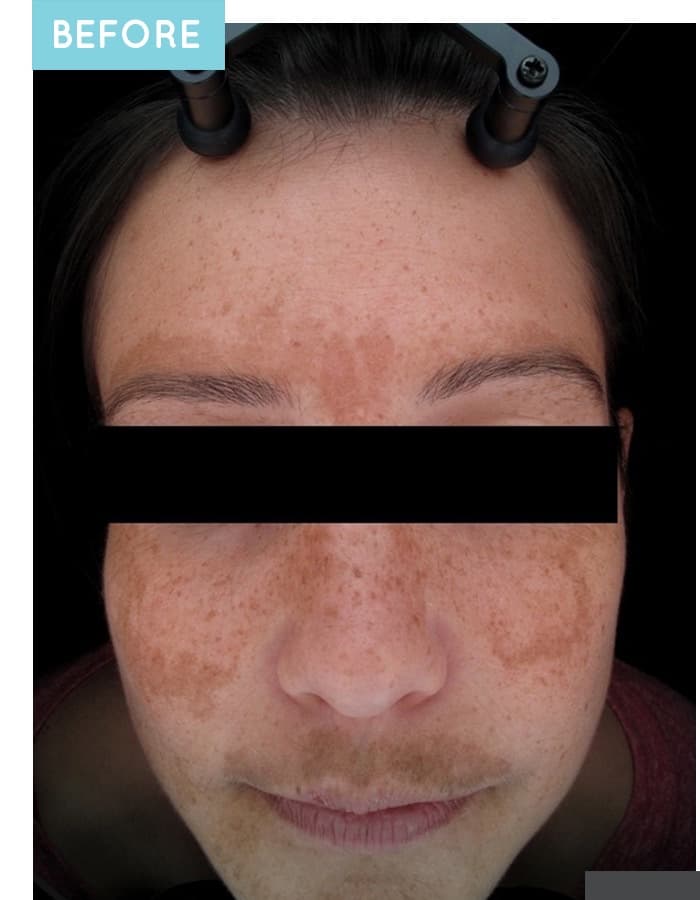
Melasma is a chronic overactivity of the pigment-making cells, driven by hormones, sun, and heat. Months of UV and warm weather push those cells to make more pigment. Then the tan fades in September and October, and the patches that were hiding inside it read darker and sharper. Sun and heat make melasma darker; that is the whole story.
A sun spot is a patch of pigment. Melasma is different: the cells themselves are overactive, which is why it is nicknamed “the mask of pregnancy” and why it tends to come back. Aggravate those cells with a hot laser, a harsh treatment, or an unprotected summer and they respond by making more pigment, sometimes leaving the patches darker than before. The pigment summer leaves behind, new freckling, blotchy tone, darker patches along the cheekbones, usually becomes obvious in the fall. That is the moment to correct it, when the sun that created it is at its weakest.
Is fall the right time to start treating melasma?
Yes. Lasers target pigment, and a tan adds competing pigment that raises the risk of burns and lasting discoloration, so less sun from October on means treatment at effective settings. Freshly treated skin is more photosensitive, which is easier to protect in cooler months. And a four-session series spaced several weeks apart fits between November and spring.
Orange County gets usable UV in December, so fall buys a smaller, more manageable exposure, not zero. The rule does not change: daily SPF 30 or higher before, during, and after the series. Before, so you arrive without a tan and can be treated at effective settings. During, so pigment does not creep back between sessions. After, because treated skin is temporarily more photosensitive and that is when rebound pigment likes to appear. The same logic applies to every laser we run in the cooler months, which we cover in why fall is laser season.
Which laser is used for melasma, and why does heat matter?
Neoderma treats melasma with PicoWay Resolve, a picosecond laser. Most lasers use photothermal energy, light and heat, which is what melasma punishes. PicoWay uses photoacoustic energy instead: pulses a trillionth of a second long that shatter pigment below the surface without heating the skin. Downtime is minimal, and it can be used on lighter and darker skin types.
The Resolve handpiece splits that photoacoustic beam into 100 micro-beams that reach below the surface, breaking up pigment while stimulating new collagen and elastin, with the outer layer left intact. If you are prone to hyperpigmentation, your provider may have you prep with a topical pigment inhibitor first. Most clients feel mild to no discomfort, and recovery is brief redness that a cold compress soothes. Why the research favors picosecond lasers for melasma is covered in our post on which laser to use for melasma, and in more depth at laser treatment for melasma at melasmaexperts.com.
What does the fall-to-spring melasma plan look like?
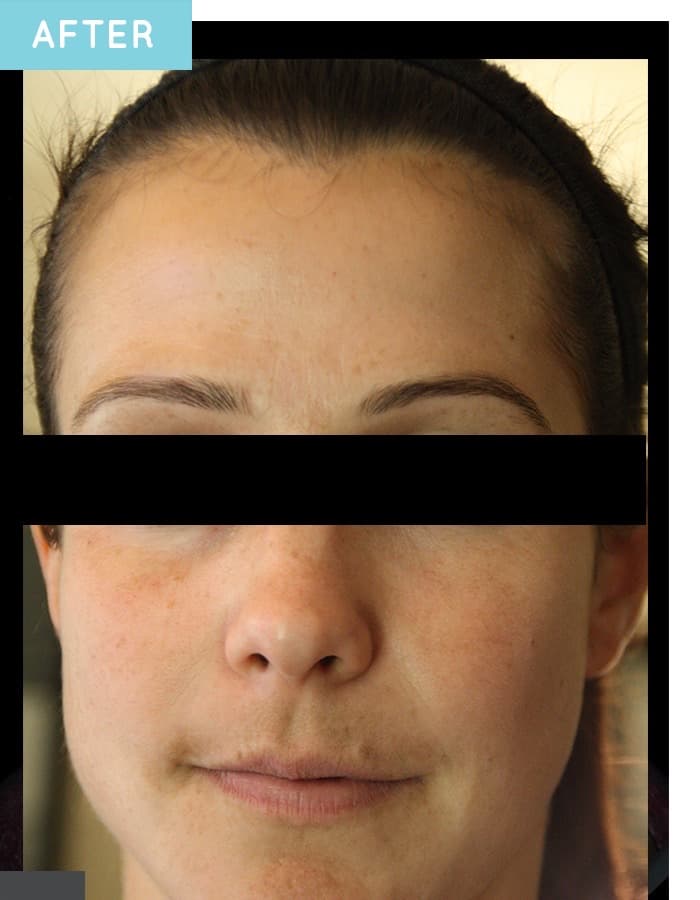
Three phases, October to spring. October: a consultation, a 3D skin analysis, daily SPF, and a pigment-regulating home regimen, with a topical pigment inhibitor first if you are prone to hyperpigmentation. November through February: the four-session PicoWay Resolve series, spaced several weeks apart, with a brightening peel or facial between sessions. March and April: assess, then maintain. Results vary.
| When | What happens | Why |
|---|---|---|
| October | Consultation ($50, credited toward treatment if you proceed within two weeks), 3D skin analysis, daily SPF 30+, and a pigment-regulating home regimen built from ZO and SkinBetter. If you are prone to hyperpigmentation, a topical pigment inhibitor first. | The home regimen does as much work as the laser, and prep protects pigment-prone skin before the first session. |
| November to February | The PicoWay Resolve series: a package of four treatments, spaced several weeks apart, at $200 to $600 per session depending on the area. | Pigment clears over a series rather than in one visit, and less sun means treatment at effective settings with an easier recovery. |
| Between sessions | SPF 30 or higher every day, no tanning beds, and a brightening facial or Vi Peel on your provider's plan. | Freshly treated skin is more photosensitive, and this is when rebound pigment likes to appear. |
| March and April | Review the result, keep the regimen going, and book a touch-up session when needed before the sun comes back. | Melasma is managed, not cured. Maintenance is what keeps it clear into summer. |
The home regimen is half of the plan, not an add-on. We build it from a 3D skin analysis using ZO Skin Health and SkinBetter Science, with a mineral sunscreen you will actually wear every day. A brightening facial or Vi Peel between laser sessions can keep things moving; the Precision Plus Peptides tier targets melasma, sun damage, and dark spots.
How much does the melasma plan cost in Anaheim?
PicoWay Resolve typically runs $200 to $600 per session by area, and package pricing on the four-treatment series lowers the per-session cost. The consultation is $50, credited toward treatment if you proceed within two weeks, and you leave it with a written quote. Vi Peels are $375 to $425 and facials $150 to $250 if your plan includes them.
Financing available through Cherry and CareCredit — split your treatment into flexible monthly payments. Learn more →
Will melasma come back?
It can, which is why we say managed, not cured. Melasma is a chronic condition that can return with sun, heat, or hormonal shifts. A picosecond series clears the visible pigment and resets the canvas; what keeps it clear is maintenance: SPF 30 or higher every day, pigment-suppressing skincare, and a touch-up session when needed. Results vary.
We will tell you if your pattern looks hormonally driven and would benefit from a medical evaluation alongside treatment. That honesty is why melasma clients stay with us for years; one of them put it this way after eight years of care: “my skin changed a lot with my main problem — melasma.” If you are not sure melasma is what you have, start from the concerns we treat and work backward, or book a consultation and let us look at it in person before the sun comes back.
Melasma in the fall FAQ
Why is my melasma getting darker?
Melasma is a chronic overactivity of the pigment-making cells, driven by hormones, sun, and heat. A summer of UV and warm weather pushes those cells to make more pigment, and the patches look darkest once the surrounding tan fades in the fall. Heat-based treatments and skipped sunscreen can push it darker too. Results from any treatment vary, which is why daily SPF matters year round.
Can a laser make melasma worse?
Yes, the wrong one can. Melasma's overactive pigment cells respond to heat and inflammation, so high-heat treatments can trigger rebound darkening, especially in medium and darker skin tones. That is why Neoderma treats melasma with PicoWay Resolve, a picosecond laser whose photoacoustic pulses shatter pigment with minimal heat, at conservative settings, with sun protection and usually a pigment-regulating skincare regimen alongside.
Is fall a good time to treat melasma?
Yes. Lasers target pigment, and a tan adds competing pigment, so less sun from fall onward means treatment at effective settings. Freshly treated skin is also more photosensitive, which is easier to protect in cooler months. Starting in October or November leaves time to finish a four-session PicoWay Resolve series, spaced several weeks apart, before spring. Daily SPF 30 or higher continues throughout.
How much does melasma treatment cost in Anaheim?
PicoWay Resolve at Neoderma typically runs $200 to $600 per session depending on the size of the area treated, with package pricing on the four-treatment series most melasma clients choose. The consultation is $50, credited toward treatment if you proceed within two weeks, and you get an exact written quote there. Financing is available through Cherry and CareCredit.
Will my melasma come back after treatment?
It can. Melasma is managed, not cured: it is a chronic condition that can return with sun, heat, or hormonal shifts. A picosecond series clears the visible pigment; what keeps it clear is maintenance, meaning SPF 30 or higher every day, pigment-suppressing skincare, and a touch-up session when needed. Results vary from person to person, and we will tell you if your pattern looks hormonally driven.
Follow along
Follow us for weekly before-and-afters and specials
Fresh before-and-afters, treatment videos, giveaways, and first look at our monthly specials drop on Instagram and TikTok. Give us a follow so you never miss one.
@ocskinexperts on Instagram · @skinbyneoderma on TikTok
Related Treatments
Laser Skin Resurfacing (PicoWay Resolve) →
Photoacoustic picosecond resurfacing for melasma, sun spots, and uneven tone. Package of four, $200–$600 a session.
Medical-Grade Skin Care →
3D skin analysis plus ZO and SkinBetter regimens: the maintenance half of every melasma plan.
Facials, Peels & LED Therapy →
Vi Peels and brightening facials that complement laser pigment treatment between sessions.